Summary

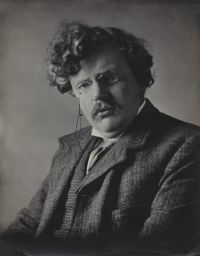
Portrait of Gilbert Keith Chesterton Gilbert Keith Chesterton The Crimes of England — Chapter V. The Lost England (1916)

Cobbett, a much more historical thinker, saw the beginning of Capitalism in the Tudor pillage and deplored it; he saw the triumph of Capitalism in the industrial cities and defied it. The paradox he was maintaining really amounted to the assertion that Westminster Abbey is rather more national than Welbeck Abbey. The same paradox would have led him to maintain that a Warwickshire man had more reason to be proud of Stratford-on-Avon than of Birmingham. He would no more have thought of looking for England in Birmingham than of looking for Ireland in Belfast.
Source: Wikisource

Portrait of Gilbert Keith Chesterton Gilbert Keith Chesterton The Crimes of England — Chapter V. The Lost England (1916)

Cobbett was a wind from the South; and if he occasionally seemed to stop his enemies' mouths with mud, it was the real soil of South England.
And as his seemingly mad language is very literary, so his seemingly mad meaning is very historical. Modern people do not understand him because they do not understand the difference between exaggerating a truth and exaggerating a lie. He did exaggerate, but what he knew, not what he did not know. He only appears paradoxical because he upheld tradition against fashion.
Source: Wikisource

Get perspective with Kwize: daily news enlightened by great literature