“ It was long past noon, and by the look of the rest-house, and the empty lane beyond the garden, and the prospect of the slope of the mountain, Ternate was abandoned. There was not a sound. Nothing moved; not a bird, not a frond. The fronds might have been of enameled metal. Perhaps everybody had departed in the steamer and the island was mine. I felt, as did Robinson Crusoe, that I must go out and make an inventory of my fortune. The lane led up toward the impending declivity, but as though that ascent were far too steep it turned lazily northward among the easy groves parallel to the beach. ”
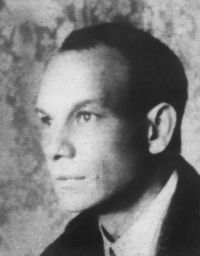
H. M. Tomlinson
Summary
H. M. Tomlinson’s Tide Marks is a reflective travel narrative exploring the landscapes and cultures of the Malay Archipelago, with vivid portrayals of islands such as Ternate, Java, and Macassar, as well as the Dutch colonial presence. Through themes of solitude, natural beauty, and the passage of time, the text intertwines personal reflection with observations of forests, beaches, and sea voyages.
Tomlinson’s prose captures the eerie stillness of deserted islands, the rhythmic movement of ships, and the enduring energy of human life amid tropical splendor, merging the immediacy of travel with universal contemplations on existence. The work portrays the sea as both a physical and metaphysical boundary, echoing the timeless longing of all wanderers.
Quotes from Tide marks (H. M. Tomlinson)
“ Royden remembered that the captain had told him he might go up to the bridge whenever he felt like it. He fumbled in the gloom forward of the deck house for the handrail of the ladder to the bridge, and felt his way up. For a moment he thought nobody was there, that the ship had been left to go where she pleased. Then he saw the head of a Malay, just the head in the darkness, apparently self-luminous, suspended, and with its eyes cast downward, as though steadfastly contemplating the invisible body it had left. ”
“ Just beyond him was a group of amber houses, of bamboo thatched with palm fronds. They were, as you have guessed, screened by the green pennants of plantains, and were shadowed by cocoanut palms; and—as they would, of course, in such a composition—they stood on the brow of a hill which descended in steps of radiant emerald, in terraces of young rice, to a plain so far below us that the river there was only a silver wire threading checker-work too distinct and vivid to be anything but the masterpiece of an imaginative decorator. ”
