Summary

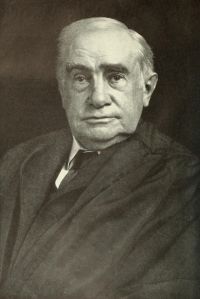
Portrait of Henry Billings Brown Henry Billings Brown Illinois Central Railroad Company v…

At common law, neither an infant, an insane person, married woman, alien enemy, nor person having no legal interest in the cause of action, can maintain a suit in his or her own name; but it never would be contended that the court would not have jurisdiction to inquire whether such disability in fact existed, nor that the case could be dismissed on motion for want of jurisdiction. The right to bring a suit is entirely distinguishable from the right to prosecute the particular bill. One goes to the maintenance of any action
Source: Wikisource

Portrait of Henry Billings Brown Henry Billings Brown Illinois Central Railroad Company v…

But where the suit is against an individual by name, and he desires to plead an exemption by reason of his representative character, he does not raise a question of jurisdiction in its proper sense. As already observed, this question depends upon the language of the statute, although the word 'jurisdiction' is frequently, and somewhat loosely, used to indicate the right of the plaintiff to sue, or the liability of the defendant to be sued, in a particular case.
Source: Wikisource

Portrait of Henry Billings Brown Henry Billings Brown Illinois Central Railroad Company v…

Jurisdiction is the right to put the wheels of justice in motion and to proceed to the final determination of a cause upon the pleadings and evidence. It exists in the circuit courts of the United States under the express terms of the act of August 13, 1888, if the plaintiff be a citizen of one state, the defendant a citizen of another, if the amount in controversy exceed $2,000, and the defendant be properly served with process within the district.
Source: Wikisource

Get perspective with Kwize: daily news enlightened by great literature