Summary

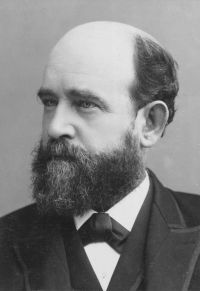
Portrait of Henry George Henry George Progress and Poverty (George)… (1879)

McCulloch, for instance, declares taxes on the rent of land to be impolitic and unjust because the return received for the natural and inherent powers of the soil cannot be clearly distinguished from the return received from improvements and meliorations, which might thus be discouraged. If it discourages production to tax values that labour and capital have intimately combined with the value of land, how much greater discouragement is involved in taxing not only these, but all the clearly distinguishable values that labour and capital create?
Source: Wikisource

Portrait of Henry George Henry George Progress and Poverty (George)… (1879)

The tax on land values falls upon the owners of land, and there is no way in which they can shift the burden upon any one else. Hence a large and powerful class is directly interested in keeping down the tax on land values and substituting, as a means for raising the required revenue, taxes on other things, just as the landowners of England, in the seventeenth century, succeeded in substituting an excise, which fell on all consumers, for the dues under the feudal tenures, which fell only on them.
Source: Wikisource

Portrait of Henry George Henry George Progress and Poverty (George)… (1879)

The causes that leave in the hands of the landlord a "produce net" were by the Physiocrats no better explained than the suction of a pump was explained by the assumption that nature abhors a vacuum. But the fact in its practical relations to social economy was recognized, and the benefit that would result from the perfect freedom given to industry and trade by a substitution of a tax on rent for all the impositions that hamper and distort the application of labour was as clearly seen by them.
Source: Wikisource

Get perspective with Kwize: daily news enlightened by great literature