Summary

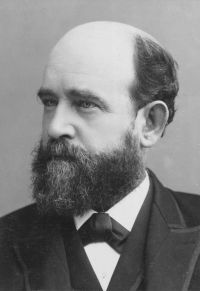
Portrait of Henry George Henry George Progress and Poverty (George)… (1879)

And will not the community gain by thus refusing to kill the goose that lays the golden eggs; by thus refraining from muzzling the ox that treadeth out the corn; by thus leaning to industry, and thrift, and skill, their natural reward, full and unimpaired? For there is to the community also a natural reward. The law of society is each for all as well as all for each. No one can keep to himself the good he may do, any more than he can keep the bad. Every productive enterprise, besides its return to those who undertake it, yields collateral advantages to others.
Source: Wikisource

Portrait of Henry George Henry George Progress and Poverty (George)… (1879)

All would be free to make or to save, to buy or to sell, unfined by taxes, unannoyed by the tax-gatherer. Instead of saying to the producer, as it does now, "The more you add to the general wealth the more shall you be taxed!" the Government would say, "Be as industrious, as thrifty, as enterprising as you choose, you shall have your full reward! You shall not be fined for making two blades of grass grow where one grew before; you shall not be taxed for adding to the aggregate wealth."
Source: Wikisource

Portrait of Henry George Henry George Progress and Poverty (George)… (1879)

Today taxation operates upon energy, and industry, and skill, and thrift, like a fine upon those qualities. If you have worked harder and built yourself a good house while I have been contented to live in a hovel, the tax-gatherer now comes annually to make you pay a penalty for your energy and industry, by taxing you more than me.
Source: Wikisource

Get perspective with Kwize: daily news enlightened by great literature