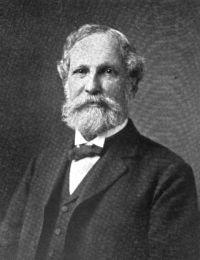
J. G. Rosengarten

J. G. Rosengarten

Summary

Portrait of J. G. Rosengarten J. G. Rosengarten A Defence of the Hessians

The German historian Schlosser, with equal indifference to the truth, charges the Elector with putting in his own pocket the money earned with blood and wounds and life by the brave Hessians in the Seven Years’ War, and that given as compensation for the injury done his country and its capital, making no return to the poor sufferers, and that the American war produced still worse results,—neither the English pay nor the money for wounds received by the soldiers enriched anybody but the Prince.
Source: Gutenberg

Portrait of J. G. Rosengarten J. G. Rosengarten A Defence of the Hessians

Anxiety, years of longing and quiet grief, weighed on his noble heart, so that a few months after the return of the last of his soldiers he died suddenly. He saw once more the old victorious flags that had waved in triumph at Minden and Crefeld, at Flatbush, White Plains, Fort Washington, and Gildford [sic] Court-House; he saw them once again and died.
The circumstances of the enlistment of the Hessian troops may be explained thus: German and other European countries had for centuries strengthened their armies by enlisting men.
Source: Gutenberg

Portrait of J. G. Rosengarten J. G. Rosengarten A Defence of the Hessians

The Seven Years’ War had enlisted England’s rich help in men and money. A powerful army of one hundred thousand men, composed of English soldiers, of twenty-four thousand Hessians, of Hanoverians and Brunswickers, enabled Frederick of Prussia to continue a resistance which otherwise he could not have maintained for two years. The North German states were not Prussian vassals, but allies of England for a hundred years, on the basis of common political aims.
Source: Gutenberg

Get perspective with Kwize: daily news enlightened by great literature