Summary

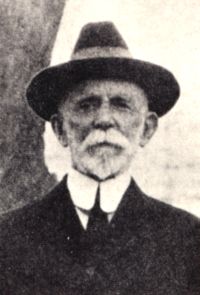
Portrait of J. H. Emerton J. H. Emerton The Structure and Habits of Spiders

The spider walks on the nearest sound thread, and gathers in with her front-feet as much old web as she can tear off, and rolls it up with her palpi and mandibles into a ball, and, when it is tight enough not to stick to the web, drops it. As she walks along, gathering up the old web in front, she at the same time spins a new thread behind, and, when she gets to a suitable place, makes it fast as one of the rays of the new web. The common story has it, that the spider eats the old web.
Source: Gutenberg

Portrait of J. H. Emerton J. H. Emerton The Structure and Habits of Spiders

Persons unfamiliar with spiders find it hard to tell young from old, and male from female. This is caused, in part, by the great differences between different ages and sexes of the same spider, on account of which they are supposed to belong to distinct species.
The adult males and females are easily distinguished from each other, and from the young, by the complete development of organs peculiar to each sex, which will be described further on.
Source: Gutenberg

Portrait of J. H. Emerton J. H. Emerton The Structure and Habits of Spiders

The egg of a spider, like that of any other animal, is a cell which separates from the body of the female, and afterwards unites with one or more cells which have separated from the body of the male. This fertilization of the eggs probably takes place when they have reached their full size, and are about to be laid.
After the eggs are laid and hardened, it is very easy to watch their development. They grow just as well anywhere else as in the cocoon, and, in order to see through the shell, it is only necessary to cover the egg to be examined, with oil, alcohol, or any liquid that will wet it.
Source: Gutenberg

Get perspective with Kwize: daily news enlightened by great literature