Summary

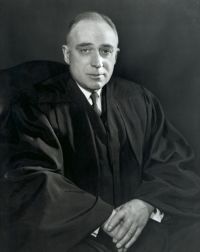
Portrait of John Marshall Harlan II John Marshall Harlan II Barenblatt v. United States — Opinion of the Court

The scope of the power of inquiry, in short, is as penetrating and far-reaching as the potential power to enact and appropriate under the Constitution.
Broad as it is, the power is not, however, without limitations. Since Congress may only investigate into those areas in which it may potentially legislate or appropriate, it cannot inquire into matters which are within the exclusive province of one of the other branches of the Government. Lacking the judicial power given to the Judiciary, it cannot inquire into matters that are exclusively the concern of the Judiciary.
Source: Wikisource

Portrait of John Marshall Harlan II John Marshall Harlan II Barenblatt v. United States — Opinion of the Court

Undeniably, the First Amendment in some circumstances protects an individual from being compelled to disclose his associational relationships. However, the protections of the First Amendment, unlike a proper claim of the privilege against self-incrimination under the Fifth Amendment, do not afford a witness the right to resist inquiry in all circumstances. Where First Amendment rights are asserted to bar governmental interrogation resolution of the issue always involves a balancing by the courts of the competing private and public interests at stake in the particular circumstances shown.
Source: Wikisource

Get perspective with Kwize: daily news enlightened by great literature