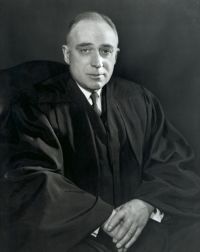
John Marshall Harlan II

John Marshall Harlan II

Summary

Portrait of John Marshall Harlan II John Marshall Harlan II Brenner v. Manson — Concurrence

To encourage one chemist or research facility to invent and disseminate new processes and products may be vital to progress, although the product or process be without 'utility' as the Court defines the term, because that discovery permits someone else to take a further but perhaps less difficult step leading to a commercially useful item. In my view, our awareness in this age of the importance of achieving and publicizing basic research should lead this Court to resolve uncertainties in its favor and uphold the respondent's position in this case.
Source: Wikisource

Portrait of John Marshall Harlan II John Marshall Harlan II Brenner v. Manson — Concurrence

As to discouraging the search by others for product uses, there is no doubt this risk exists but the price paid for any patent is that research on other uses or improvements may be hampered because the original patentee will reap much of the reward. From the standpoint of the public interest the Constitution seems to have resolved that choice in favor of patentability.
What I find most troubling about the result reached by the Court is the impact it may have on chemical research.
Source: Wikisource

Portrait of John Marshall Harlan II John Marshall Harlan II Brenner v. Manson — Concurrence

How far opaque drafting may lessen the public benefits resulting from the issuance of a patent is not shown by any evidence in this case but, more important, the argument operates against all patents and gives no reason for singling out the class involved here. The thought that these inventions may be more likely than most to be disclosed even if patents are not allowed may have more force
Source: Wikisource

Get perspective with Kwize: daily news enlightened by great literature