Summary

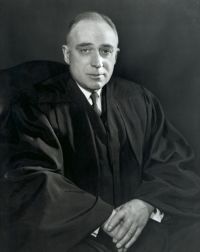
Portrait of John Marshall Harlan II John Marshall Harlan II United States v. Shotwell Manufacturing Company…

Their objection that it is 'unfair' to allow the Government at this stage of the proceedings to 'bolster' the record relating to the suppression issue is likewise unacceptable. It is undeniable, of course, that upon appellate reversal of a conviction the Government is not limited at a new trial to the evidence presented at the first trial, but is free to strengthen its case in any way it can by the introduction of new evidence. We think that in the peculiar circumstances of this case the fair administration of justice requires that the Government should have a similar opportunity here.
Source: Wikisource

Portrait of John Marshall Harlan II John Marshall Harlan II United States v. Shotwell Manufacturing Company…

A convincing showing is of course necessary to bring these principles into play. We think that such a showing has been made here. The newly discovered evidence contained in the affidavits from the prospective witnesses Graflund and Huebner cuts to the very heart of the testimony adduced by respondents to show that they made a timely and bona fide disclosure to the Treasury, the sole issue involved in the suppression hearings and the issue on which the outcome of the case in the Court of Appeals turned.
Source: Wikisource

Portrait of John Marshall Harlan II John Marshall Harlan II United States v. Shotwell Manufacturing Company…

In fact it is even worse in some respects. Only the Government stands to benefit from this partial new trial while the defendants must fight to keep what they already have. Not a single case has been referred to or discovered where defendants have been subjected to such piecemeal prosecution. [24] To my knowledge it is a new idea that the Government can supplement a trial record in order to retain a conviction which an appellate court would otherwise reverse.
Source: Wikisource

Get perspective with Kwize: daily news enlightened by great literature