Summary

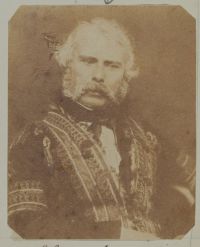
Portrait of John McCosh John McCosh Advice to Officers in India — Chapter 1 (1856)

If an assistant-surgeon, he must be prepared to practice his profession in the most comprehensive sense of the word: no distinction is made between medicine and surgery. Every medical officer must act in either capacity, as circumstances demand, (which is more reasonable after all than drawing a line between two branches which cannot be separated) ,and perform the duty of aurist, oculist, accoucheur, chemist, and medical jurist, as occasion presents itself.
Source: Wikisource

Portrait of John McCosh John McCosh Advice to Officers in India — Chapter 1 (1856)

Now and then a well paid staff-officer or a civilian gives something handsome, but even such are much rarer than they wont to be. Regimental surgeons have no right to demand a fee from any officer of the regiment or for his family, but Government have passed an order that civil surgeons have a right to remuneration for attendance on the families of civilians. As for native practice virtue alone is often its own reward. The natives are bad payers, and those who make anything of consequence by it, obtain it only by haggling and getting paid in advance, a system that few officers can submit to.
Source: Wikisource

Portrait of John McCosh John McCosh Advice to Officers in India — Chapter 1 (1856)

The audit office is a sort of Court of Chancery, as well known in India as Doctor's Commons is in England, where equal skill is brought into play to ward off the just claims of its constituents by prolonged litigation, until forced to disgorge by an appeal to the Governor General in Council.
The Auditor-General's hand is in every man's pocket, and the good intentions of a liberal Government are often thwarted by the vexatious despotism of this official.
Source: Wikisource

Get perspective with Kwize: daily news enlightened by great literature