Summary

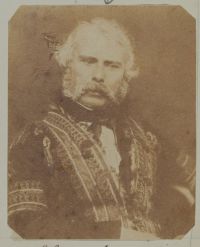
Portrait of John McCosh John McCosh Advice to Officers in India — Chapter 7 (1856)

When some scourging epidemic crosses the frontier, enters the camp or the cantonment, panic strikes the little community, thins the ranks of the soldiers, crowds the hospitals with sick, and threatens to sweep away the native and the European, indiscriminately, to an unexpected grave, the doctor will be looked up to as the guardian of the public health, as the protector, to whose skill one and all may soon be indebted for the preservation of their lives.
Source: Wikisource

Portrait of John McCosh John McCosh Advice to Officers in India — Chapter 7 (1856)

However, opportunities will arise when he will be amply repaid for occasional petty annoyances; to rescue the young, the brave, and the beautiful, from an untimely tomb, and restore them to the society of their afflicted friends; and their usefulness to the world is no small source of self-congratulation; and it is the most gratifying retrospect of my service in India, that I never lost a lady patient, and that I passed through the late Burmese war without losing an officer of my charge.
Source: Wikisource

Portrait of John McCosh John McCosh Advice to Officers in India — Chapter 7 (1856)

The sepoy is born a soldier, and the esprit de corps grows with him as he grows; his father has, perhaps, died in battle, and his mother and his sisters are comfortably pensioned by Government. He looks to the Company's service as the means of an easy and honourable livelihood, to his pension as the support of his old age, and to his old regiment as the sphere in which his sons and his sons' sons may follow Ids example. Such men are, therefore, worthy of our respect and esteem!
Source: Wikisource

Get perspective with Kwize: daily news enlightened by great literature