Summary

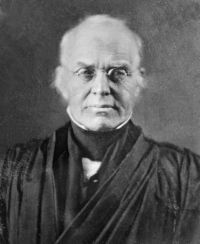
Portrait of Joseph Story Joseph Story Bank of the United States v. Waggener…

Did they intend usury, and make use of any shift or device to cover a loan of money? Or did they, bona fide, intend a loan of bank notes, which to the lender were of the full value of their numerical amount, and were so treated bona fide by the borrower? Unless the court were prepared to say, (which we certainly are not) that all negotiations for the sale or exchange of bank notes, under any circumstances, must, to escape the imputation of usury, or the prohibition of the charter, be merely at their marketable value at the time, though worth more to both parties
Source: Wikisource

Portrait of Joseph Story Joseph Story Bank of the United States v. Waggener…

He may possess bank notes, which to him are of par value, because he can enforce payment thereof, and for many purposes they may pass current at par, in payments of his own debts, or in payment of public taxes; and yet their marketable value may be far less. If he uses no disguise; if he seeks not to cover a loan of money under the pretence of a sale or exchange of them; but the transaction is, bona fide, what it purports to be; the law will not set aside the contract, for it is no violation of any public policy against usury.
Source: Wikisource

Portrait of Joseph Story Joseph Story Bank of the United States v. Waggener…

That unless the jury find, from the evidence in the cause, that the advance sale or loan of the notes on the Bank of Kentucky, made by plaintiffs to defendants, was so made as a shift or device to avoid the statute against usury, or in avoidance of the clause of the act of congress which inhibits the plaintiffs from taking or reserving more than at the rate of six per centum per annum for the loan, forbearance, or giving day of payment of money: the law is for the plaintiffs, and the jury would find accordingly.
Source: Wikisource

Get perspective with Kwize: daily news enlightened by great literature