Summary

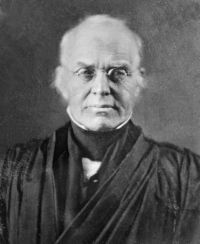
Portrait of Joseph Story Joseph Story United States v. Dickson — Opinion of the Court

The construction given to the laws, by any department of the executive government, is necessarily ex parte, without the benefit of an opposing argument, in a suit where the very matter is in controversy; and when the construction is once given, there is no opportunity to question or revise it by those who are most interested in it as officers, deriving their salary and emoluments therefrom, for they cannot bring the case to the test of a judicial decision. It is only when they are sued by the government for some supposed default or balance, that they can assert their rights.
Source: Wikisource

Portrait of Joseph Story Joseph Story United States v. Dickson — Opinion of the Court

The commission is a compensation attached to the particular officer, for his yearly service, and not to the office itself for a fiscal year. If the intention of the legislature had been, what the argument for the United States supposes, the language of the proviso would have been different; it would have been, provided that the United States shall not, in any one calendar year, pay more than one per centum upon all the moneys received during that year; and that the commission for any one year, to whomsoever paid, shall not, in the whole, exceed the sum of $2500.
Source: Wikisource

Portrait of Joseph Story Joseph Story United States v. Dickson — Opinion of the Court

Suppose it might be so, it would be a case of very rare occurrence; and to put an extreme case is not a good test of the fair and just interpretation of any statute. In such a case, each successive receiver would only receive his just proportion of the year's salary, and no more commission than congress itself had established to be a reasonable compensation for his expenditures and responsibilities in receiving, safe-keeping and transmitting the public moneys.
Source: Wikisource

Get perspective with Kwize: daily news enlightened by great literature