Summary

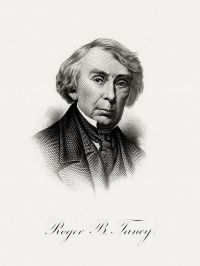
Portrait of Roger B. Taney Roger B. Taney Converse v. United States — Opinion of the Court

Undoubtedly, Congress have the power to prohibit the Secretary from demanding or receiving of a public officer any service in any other office or capacity, and to prohibit the same person from accepting or executing the duties of any agency for the Government, of any description, while he is in office, and to deny compensation altogether, if the officer chooses to perform the services; or they may require an officer holding an office with a certain salary, however small, to perform any duty directed by the head of the department, however onerous or hazardous, without additional compensation.
Source: Wikisource

Portrait of Roger B. Taney Roger B. Taney Converse v. United States — Opinion of the Court

The just and fair inference from these acts of Congress, taken together, is, that no discretion is left to the head of a department to allow an officer who has a fixed compensation any credit beyond his salary, unless the service he has performed is required by existing laws, and the remuneration for them fixed by law. It was undoubtedly within the power of the department to order this collector, and every other collector in the Union, to purchase the articles required for light-house purposes in their respective districts, and to make the necessary disbursements therefor.
Source: Wikisource

Portrait of Roger B. Taney Roger B. Taney Converse v. United States — Opinion of the Court

The law does not forbid compensation for extra services which have no affinity or connection with the duties of the office he holds. On the contrary, it recognises his right, and gives the collector or other of these revenue officers an additional sum, over and above their salaries as officers, for extra services rendered as agents, which had no legal connection with their respective offices.
Source: Wikisource

Get perspective with Kwize: daily news enlightened by great literature