Summary

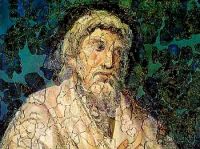
Portrait of Lactantius Lactantius Ante-Nicene Fathers Vol. VII, The Divine Institutes… (1885)

In what respect, then, will that divine power differ from man, if God also, as man does, stands in need of the assistance of another? But He does stand in need of it, if He can construct nothing unless He is furnished with materials by another. But if this is the case, it is plain that His power is imperfect, and he who prepared the material [17] must be judged more powerful. By what name, therefore, shall he be called who excels God in power?—since it is greater to make that which is one’s own, than to arrange those things which are another’s.
Source: Wikisource

Portrait of Lactantius Lactantius Ante-Nicene Fathers Vol. VII, The Divine Institutes… (1885)

For this is to pass the limits of one’s own condition, and not to understand how far it is permitted man to approach. In short, when God revealed the truth to man, He wished us only to know those things which it concerned man to know for the attainment of life; but as to the things which related to a profane and eager curiosity [46] He was silent, that they might be secret. Why, then, do you inquire into things which you cannot know, and if you knew them you would not be happier. It is perfect wisdom in man, if he knows that there is but one God, and that all things were made by Him.
Source: Wikisource

Get perspective with Kwize: daily news enlightened by great literature