Summary

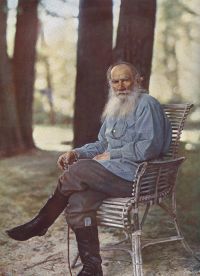
Portrait of Leo Tolstoy Leo Tolstoy The Works of Guy de Maupassant (1894)

In reality, when we read or contemplate an artistic production by a new author, the fundamental question which arises in our soul is always this: "Well, what kind of a man are you? How do you differ from all other men whom I know, and what new thing can you tell me about the way we ought to look upon our life?" No matter what the artist may represent, -- saints, robbers, kings, lackeys, -- we seek and see only the artist's soul. If he is an old, familiar artist, the question is no longer, "who are you?"
Source: Wikisource

Portrait of Leo Tolstoy Leo Tolstoy The Works of Guy de Maupassant (1894)

An artist is an artist for the very reason that he sees the objects, not as he wants to see them, but as they are. The bearer of talent, -- man, -- may make mistakes, but the talent, as soon as the reins are given to it, as was done by Maupassant in his stories, will reveal and lay bare the subject and will make the writer love it, if it is worth of love, and hate it, if it is worthy of hatred.
Source: Wikisource

Portrait of Leo Tolstoy Leo Tolstoy The Works of Guy de Maupassant (1894)

If there exists a France as we know it, with her truly great men and with those great contributions which these great men have made to science, art, civil polity, and the moral perfection of humanity, those labouring masses, which have held upon their shoulders this France and her great men, do not consist of animals, but of men with great spiritual qualities; and so I do not believe what I am told in novels like La Terre, and in Maupassant's stories, just as I should not believe if I were told of the existence of a beautiful house standing on no foundation.
Source: Wikisource

Get perspective with Kwize: daily news enlightened by great literature