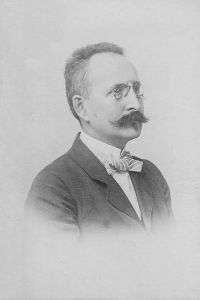
 Leonard Jan Józef Lepszy,
Cracow, the royal capital of ancient Poland…
(1912)
Leonard Jan Józef Lepszy,
Cracow, the royal capital of ancient Poland…
(1912)
“ Every guild possessed, in one of the numerous churches, a chapel or at least an altar of its own, maintained and adorned at the guild's expense. Control was exercised over the members' regular attendance at divine service, and neglect of this duty was severely punished. At religious processions, like that on Corpus Christi Day, all craft guilds displayed extraordinary splendour; the members appeared corporately, in holiday clothes, and armed. The seniors, with badges and maces, marched ahead, followed by the brethren of the guild, in closed ranks, with ensigns spread and swords drawn. ”
