Summary

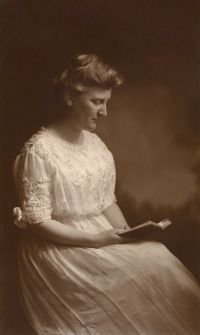
Portrait of Mary White Ovington Mary White Ovington Half a Man: The Status of the Negro in New York

This is the characteristic fact of the life of the well-to-do Negro in New York. He is not permitted to go through the city streets in easy comfort of body or mind. Some personal rebuff, some harsh word in newspaper or magazine, quickens his pulse and rouses him from the lethargy that often overtakes his comfortable white neighbor. Looking into the past of slavery, watching the coming generation, the most careless of heart is forced into serious questioning. A comfortable income and the intelligence to enjoy the culture of a great city do not bring to the Negro any smug self-satisfaction
Source: Gutenberg

Portrait of Mary White Ovington Mary White Ovington Half a Man: The Status of the Negro in New York

Before bringing the story of the life of the New York colored working woman to a close, it may not be amiss to look closely at the discrimination practised against her, not only in her work, but in her daily life. The Negro comes North and finds himself half a man. Does the woman, too, come to be but half a woman? What is her status in the city to which she turns for opportunity and larger freedom?
Source: Gutenberg

Portrait of Mary White Ovington Mary White Ovington Half a Man: The Status of the Negro in New York

I have endeavored to know the life of the Negro as I know the life of the white American, and I have learned that while New York at times gives full recognition to his manhood, again, its race prejudice arrests his development as certainly as severe poverty arrests the development of the tenement child. Perhaps a study of this shifting attitude on the part of the dominant race, and of the Negro's reaction under it, may not be unimportant; for the color question cannot be ignored in America, nor should the position taken by her largest city be overlooked.
Source: Gutenberg

Get perspective with Kwize: daily news enlightened by great literature