Summary

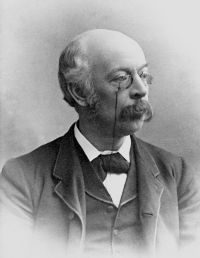
Portrait of Robert Adamson Robert Adamson Fichte — Chapter III. The Jena Professorship (1881)

Fichte’s motives are clear and unambiguous. He claimed the full right of expounding his philosophic opinions, a right essential to the very existence of a university teacher. He felt, as every teacher of philosophy must feel, that the results of speculative analysis will at times appear to conflict with popular ideas, founded for the most part on unreflecting custom or on radical error, and that if popular opinion is to be the criterion of judgment, the function of an investigator is destroyed.
Source: Wikisource

Portrait of Robert Adamson Robert Adamson Fichte — Chapter III. The Jena Professorship (1881)

The lectures were continued from February onwards at three in the afternoon.
This first trouble was scarcely at an end when a new storm broke out. Fichte’s constant aim as a public teacher was the moral elevation of the character of the students. The life of a scholar appeared to him a life with a noble end, and weighted with responsibilities. But to all his efforts towards elevating and purifying the tone of academic life, a blank wall of resistance was presented by the existence of the so-called Orders or Societies among the students.
Source: Wikisource

Portrait of Robert Adamson Robert Adamson Fichte — Chapter III. The Jena Professorship (1881)

The Jena period of Fichte’s life may be conveniently regarded under two quite distinct aspects. It presents to us, in the first place, a series of developments of one speculative principle, covering the whole ground of philosophy, affecting by their spirit and method all contemporary criticism and literature, and bringing the author into close connection, whether friendly or polemical, with the greatest living writers. In this sense, it is simply the representation of the active results of Fichte’s speculative faculty.
Source: Wikisource

Get perspective with Kwize: daily news enlightened by great literature