Summary

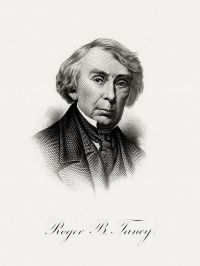
Portrait of Roger B. Taney Roger B. Taney Williams v. Gibbes (58 U.S. 239…

The assignment to the trustee for the benefit of their creditors was equally meritorious with Goodwin's assignment to Oliver. And if they had appeared as parties in the Maryland court, would they have been permitted to impeach the title of the trustee, who was then claiming it, and set up a right to the money in themselves, upon the ground that the contract of their respective intestates was fraudulent? Certainly, the principle is well established in chancery that a party cannot set aside a contract upon the ground that he himself was guilty of a fraud in making it.
Source: Wikisource

Portrait of Roger B. Taney Roger B. Taney Williams v. Gibbes (58 U.S. 239…

Indeed, I cannot comprehend how the state court, or this court, can award the fund to the administrators, if the contract was fraudulent and void when the parties became insolvent. They both died before the award was made; but if, up to that time, the contract continued open to examination in a court of justice, and was decided to have been fraudulent and a nullity when made, nothing afterwards could have given it legal existence. Nihilum ex nihilo oriatur is as true in law as in philosophy.
Source: Wikisource

Portrait of Roger B. Taney Roger B. Taney Williams v. Gibbes (58 U.S. 239…

The administrator of a vendor who has in his lifetime divested himself of all right to property, can hardly be supposed to be a necessary party in a controversy between purchasers under him when neither of the claimants has a right to fall back for indemnity on his estate. The administrators offer no new evidence of interest in them or their intestates, but present here the identical case, in all its parts, that was before the court of appeals when it passed its decree.
Source: Wikisource

Get perspective with Kwize: daily news enlightened by great literature