Summary

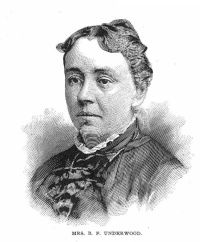
Portrait of Sara A. Underwood Sara A. Underwood Heroines of Freethought — Harriet Martineau (1876)

No woman has ever, perhaps, received so rich a recompense of reward; and why? I think because her spirit and influence have been in harmony with the spirit of the age. Miss Martineau, with a single eye to the general good, has devoted herself, not to the intellectual amusement or advancement of the gifted and educated, but to make bread more plentiful in the husbandman’s dwelling, and to still the cry of hunger forever in the poor man’s cottage.
Source: Wikisource

Portrait of Sara A. Underwood Sara A. Underwood Heroines of Freethought — Harriet Martineau (1876)

That life must be well worth living which is permitted to see its most advanced and cherished convictions realized. Such a life is likely to be Harriet Martineau's, and, when her “summons comes to join the innumerable caravan,” she will not need to cry in anguish, “all is vanity and vexation of spirit”! for she has lived to see negro slavery abolished, and English women, under certain restrictions, entitled to vote. Let us dare also to hope that, old as she is, she may yet live to see American women entitled to the same privilege.
Source: Wikisource

Portrait of Sara A. Underwood Sara A. Underwood Heroines of Freethought — Harriet Martineau (1876)

Indeed, Harriet Martineau was not one to allow her friendships, or any like selfish consideration, to overbalance her “fidelity to conscience,” and the knowledge of her uncompromising honesty of character could not fail to make her friends respect and admire her, however much they might dissent from her conclusions on theology.
All through this book (“Laws of Man's Nature and Development”) there runs a tone of glad defiance of what the world may choose to think of her, and of restful triumph over her own educational prejudices.
Source: Wikisource

Get perspective with Kwize: daily news enlightened by great literature