Summary

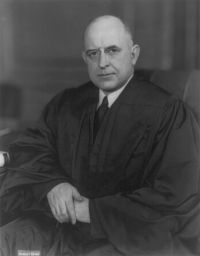
Portrait of Stanley Forman Reed Stanley Forman Reed Brooklyn Savings Bank v. O'Neil…

The studious avoidance of any provision making the non-payment of the liquidated damages a public wrong, by the omissions of sanctions which the statute does impose for the failure to pay minimum and overtime wages, is the most persuasive kind of evidence that it was the Congressional purpose to leave undisturbed the general policy of the law that a mere private claim for damages may be released at the will of the claimant.
Source: Wikisource

Portrait of Stanley Forman Reed Stanley Forman Reed Brooklyn Savings Bank v. O'Neil…

To permit an employer to secure a release from the worker who needs his wages promptly will tend to nullify the deterrent effect which Congress plainly intended that Section 16 (b) should have. Knowledge on the part of the employer that he cannot escape liability for liquidated damages by taking advantage of the needs of his employees tends to insure compliance in the first place. To allow contracts for waiver of liquidated damages approximates situations where courts have uniformly held that contracts tending to encourage violation of laws are void as contrary to public policy.
Source: Wikisource

Portrait of Stanley Forman Reed Stanley Forman Reed Brooklyn Savings Bank v. O'Neil…

No employer in any part of the United States in any industry affecting interstate commerce need fear that he will be required by law to observe wage and hour standards higher than those applicable to his competitors. No employee in any part of the United States in any industry affecting interstate commerce need fear that the fair labor standards maintained by his employer will be jeopardized by oppressive labor standards maintained by those with whom his employer competes.'↑ Section 16, 52 Stat.
Source: Wikisource

Get perspective with Kwize: daily news enlightened by great literature