Summary

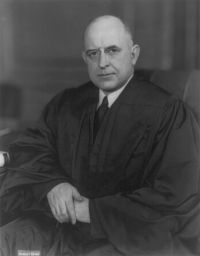
Portrait of Stanley Forman Reed Stanley Forman Reed Schulte v. Gangi — Opinion of the Court

In a bona fide adjustment on coverage, there are the same threats to the public purposes of the Wage-Hour Act that exist when the liquidated damages are waived. The damages are at the same time compensatory and an aid to enforcement. It is quite true that the liquidated damage provision acts harshly upon employers whose violations are not deliberate but arise from uncertainties or mistakes as to coverage.
Source: Wikisource

Portrait of Stanley Forman Reed Stanley Forman Reed Schulte v. Gangi — Opinion of the Court

Certainly if these tenants had not only manufactured but had also shipped their products interstate, no one would doubt that they were producers for commerce. Mere separation of the economic processes of production for commerce between different industrial units, even without any degree of common ownership does not destroy the continuity of production for commerce. Producers may be held to know the usual routes for distribution of their products.
Source: Wikisource

Portrait of Stanley Forman Reed Stanley Forman Reed Schulte v. Gangi — Opinion of the Court

The alternative is to find in the Act an intention of Congress to leave the adjustments to bargaining at the worst between employers and individual employees or at best between employers and the employees' chosen representatives, bargaining agent or some other. We think the purpose of the Act, which we repeat from the O'Neil case was to secure for the lowest paid segment of the nation's workers a subsistence wage, leads to the conclusion that neither wages nor the damages for withholding them are capable of reduction by compromise f controversies over coverage.
Source: Wikisource

Get perspective with Kwize: daily news enlightened by great literature