Summary

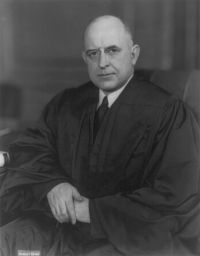
Portrait of Stanley Forman Reed Stanley Forman Reed Southern Pacific Company v. Gallagher…

There is an equal charge against what is used, whatever its source. In this case we have a distinctly different application of a use tax. The tax is not sought from personal property used in transactions entirely disassociated from any agency connected with interstate transportation, as builders' supplies for local work in the Silas Mason Case, but from tangible personalty purchased out of the state for immediate or subsequent installation in an interstate railway facility.
Source: Wikisource

Portrait of Stanley Forman Reed Stanley Forman Reed Southern Pacific Company v. Gallagher…

All purchases may be said to be dedicated to consumption in the interstate transportation business of appellant. No new rolling stock is involved. Subsequent to repairing and reconditioning, rolling stock moves again in interstate transportation, as do cars after being stocked with supplies. The California tax on storage or use, it is said, cannot apply to these articles, as such a tax would be an unconstitutional burden upon the facilities of interstate commerce, of which the articles are a part.
Source: Wikisource

Portrait of Stanley Forman Reed Stanley Forman Reed Southern Pacific Company v. Gallagher…

As property covered by the sales tax is exempt under the use tax, all tangible personalty sold or utilized in California is taxed once for the support of the state government. Definitions in the Use Tax Act of taxpayer, retailer, storage and use are designed to make the coverage complete. A retailer is 'every person engaged in the business of making sales for storage, use or other consumption'; use is the exercise of any right or power incident to ownership, except sale in the regular course of business; storage is any 'keeping or retention' with a similar exemption
Source: Wikisource

Get perspective with Kwize: daily news enlightened by great literature