Summary

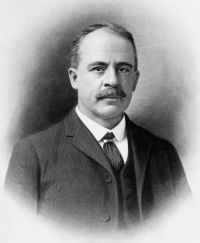
Portrait of Sydney George Fisher Sydney George Fisher The Quaker Colonies: A Chronicle of the Proprietors of the Delaware (1919)

The Legislature of Pennsylvania in those days was a small body composed of only about twenty-five or thirty members, most of them sturdy, thrifty Quakers. They could meet very easily anywhere—at the Governor's house, if in conference with him, or at the treasurer's office or at the loan office, if investigating accounts. Beneath their broad brim hats and grave demeanor they were as Anglo-Saxon at heart as Robin Hood and his merry men, and in their ninety years of political control they built up as goodly a fabric of civil liberty as can be found in any community in the world.
Source: Gutenberg

Portrait of Sydney George Fisher Sydney George Fisher The Quaker Colonies: A Chronicle of the Proprietors of the Delaware (1919)

The adventurousness of the plan was irresistible—a home for the new faith in the primeval forest, far from imprisonment, tithes, and persecution, and to be won by effort worthy of a man. It was, however, a dream destined not to be realized for many a long year. More was needed than the mere consent of the Indians. In the meantime, however, a temporary refuge for the sect was found in the province of West Jersey on the Delaware, which two Quakers had bought from Lord Berkeley for the comparatively small sum of 1000 pounds.
Source: Gutenberg

Portrait of Sydney George Fisher Sydney George Fisher The Quaker Colonies: A Chronicle of the Proprietors of the Delaware (1919)

To run upon old houses among the Jersey pines still stored with Latin classics and old editions of Shakespeare, Addison, or Samuel Johnson, to come across an old mill with its machinery, cogwheels, flywheels, and all, made of wood, to find people who make their own oars, and the handles of their tools from the materials furnished by their own forest, is now unfortunately a refreshment of the spirit that is daily becoming rarer.
Source: Gutenberg

Get perspective with Kwize: daily news enlightened by great literature