“ Cork upon some business, and there heard that Thomas Loe was in town, and that he was to preach. Penn went to hear him, and again the spoken word was critical and decisive. "There is a faith," said the preacher, "which overcomes the world, and there is a faith which is overcome by the world." Such was the theme, and it seemed to Penn as if every word were spoken out of heaven straight to his own soul. In the long contention which had been going on within him between the world and the other world, the world had been getting the mastery. ”
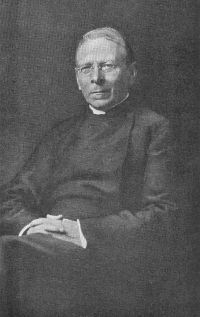
George Hodges
Summary
Quotes from William Penn (George Hodges)
“ The means of peace is justice, and the means of justice is government. It is plain to all that a state wherein any private citizen might avenge himself upon his neighbor would be a place of confusion and distress. "For this cause they have sessions, terms, assizes, and parliaments, to overrule men's passions and resentments, that they may not be judges in their own cause, nor punishers of their own wrongs." Penn proposes that the same relation between peace and justice which is enforced between citizen and citizen be also enforced between nation and nation. ”
“ Whatever help Penn may have had in the framing of this legislation, from Algernon Sidney and other political friends, it is plain that the best part of it was his own, and that he wrote it not as a politician but as a Quaker. It is an application of the Quaker principles of democracy and of religious liberty to the conditions of a commonwealth. From beginning to end it is the work of a man whose supreme interest was religion. It is at the same time singularly free from the narrowness into which men of this earnest mind have often fallen. ”
