East Jersey

Definition and stakes

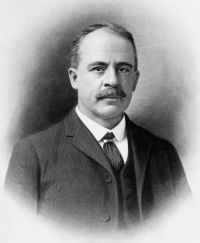
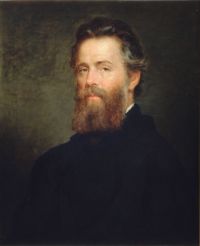
Portrait of Reuben Gold Thwaites Reuben Gold Thwaites The Colonies, 1492-1750

East Jersey had a population of about ten thousand, composed of Quakers, New England men, and Scotch Presbyterians. Of the four thousand inhabitants of West Jersey, the Quakers were the prevailing element. The population of New Jersey was homogeneous, being very largely English; the few Dutch, Germans, and Swedes having little effect on the character of the colony. Jerseymen were vigorous and quick-witted, although Governor Belcher (1748-1757) wrote, "They are a very rustical people, and deficient in learning."
Source: Gutenberg

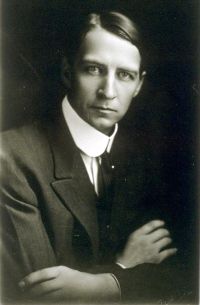
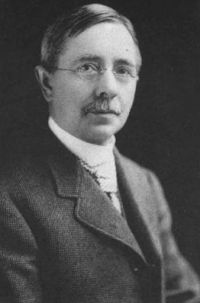
Portrait of Sydney George Fisher Sydney George Fisher The Quaker Colonies: A Chronicle of the Proprietors of the Delaware (1919)

The northern half of the State is a region of mountains and lakes. As part of the original continent it had been under the ice sheet of the glacial age and was very unlike the level sands, swamps, and pine barrens of West Jersey which had arisen as a shoal and island from the sea. The only place in East Jersey where settlement was at all easy was along the open meadows which were reached by water near the mouth of the Hudson, round Newark Bay, and along the Hackensack River.
The Dutch, by the discoveries of Henry Hudson in 1609, claimed the whole region between the Hudson and the Delaware.
Source: Gutenberg

Narrative and Critical History of America…

From the time of Hamilton’s departure for England until 1692 the inhabitants of East Jersey were left to the guardianship of their county and town officers, who seemed to have possessed all necessary powers to preserve the peace. So also in West Jersey. The course of events caused but little alteration in the general condition of the Province after the surrender of the government to Andros in April, 1688, and the subsequent suspension of his authority.
Source: Gutenberg

Get perspective with Kwize: daily news enlightened by great literature