Summary

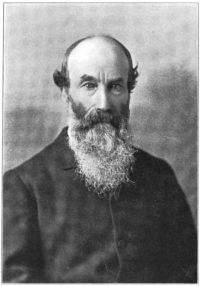
Portrait of T. G. Bonney T. G. Bonney Charles Lyell and Modern Geology

If the torrents from the Maritime Alps, as they plunged into the Mediterranean, could build up these masses of stratified pebbles, why not appeal to the same agency in Scotland, though the mountains from which they flowed, and the sheet of water into which they plunged, have alike vanished? The great flows of basalt—some fresh and intact, some only giant fragments of yet vaster masses—the broken cones of scoria, and the rounded hills of trachyte in Auvergne, had supplied him with links between existing volcanoes and the huge masses of trap with which Scotland had made him familiar
Source: Gutenberg

Portrait of T. G. Bonney T. G. Bonney Charles Lyell and Modern Geology

With the decline of the Roman empire a great darkness fell upon the civilised world; art, science, literature withered before the hot breath of war and rapine, as the northern barbarians swept down upon their enfeebled master on their errand of destruction. It was well nigh eight centuries from the Christian era before the spirit of scientific enquiry and the love of literature began to awaken from their long torpor
Source: Gutenberg

Portrait of T. G. Bonney T. G. Bonney Charles Lyell and Modern Geology

When I first came to the notion—which I never saw expressed elsewhere, though I have no doubt it had all been thought out before—of a succession of extinction of species, and creation of new ones, going on perpetually now, and through an indefinite period of the past, and to continue for ages to come, all in accommodation to the changes which must continue in the inanimate and habitable earth, the idea struck me as the grandest which I had ever conceived, so far as regards the attributes of the Presiding Mind.
Source: Gutenberg

Get perspective with Kwize: daily news enlightened by great literature