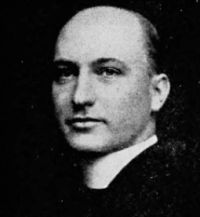
Thomas Oestreich

Thomas Oestreich

Summary

Portrait of Thomas Oestreich Thomas Oestreich Catholic Encyclopedia (1913)

An Abbot who presides only over such persons, ecclesiastical and lay, as are attached to his monastery, belongs to the lowest grade, and his jurisdiction carries with it what is called the simple passive exemption (exemptio passiva) from the authority of the diocesan bishop. If an Abbot's jurisdiction extends beyond the limits of his abbey, over the inhabitants—clergy and laity—of a certain district or territory which forms an integral part of a bishop's diocese, he belongs to the middle grade (prælatus quasi nullius diœcesis) and his exemption is termed active (exemptio activa) .
Source: Wikisource

Portrait of Thomas Oestreich Thomas Oestreich Catholic Encyclopedia (1913)

Lay sisters are excluded by the constitutions of most orders, but in communities where they have the right to vote their privilege is to be respected. In non-exempt monasteries the election is presided over by the ordinary of the diocese or his vicar; in exempt houses, under the immediate jurisdiction of the Holy See, the Bishop likewise presides, but only as the delegate of the Pope. In those under the jurisdiction of a regular prelate the nuns are obliged to inform the diocesan of the day and time of election, so that, if he wish, he or his representative may be present.
Source: Wikisource

Portrait of Thomas Oestreich Thomas Oestreich Catholic Encyclopedia (1913)

The obedience shown to the Abbot is regarded as obedience paid to God Himself, and all the respect and reverence with which he is treated by the brethren of his house is paid him "for Christ's love, because as abbot—father—he is the representative of Christ in the midst of the brethren." The whole government of a religious house depends upon the Abbot. His will is supreme in all things
Source: Wikisource

Get perspective with Kwize: daily news enlightened by great literature