Summary

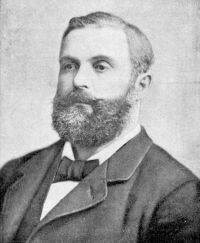
Portrait of Thomas W. Knox Thomas W. Knox Decisive Battles Since Waterloo… (1902)

The latter's brigade was formed of Pennsylvania lumbermen, called "Bucktails," from the ornaments attached to their hats. They were fighting on their native soil, and this filled them with an enthusiasm which laughed at death. Their position was exposed, and many were slain, but they held their ground and shouted "We've come to stay."
It was no use attacking such men as these, and the Confederates again fell back discomfited. An artillery duel followed, and as the Confederates had far more guns, the Union army got the worst of it.
Source: Wikisource

Portrait of Thomas W. Knox Thomas W. Knox Decisive Battles Since Waterloo… (1902)

The Union scouts were now able to climb the peaks of the Blue Ridge, where they had a full view of the whole lower valley of the Shenandoah, and saw Ewell's corps marching towards the Potomac.
On the 21st Lee ordered Ewell to march on Harrisburg, and on the 23d sent the other two corps forward. They passed into Pennsylvania, and requisitions of every kind followed. The Confederates, accustomed to their impoverished lands, were amazed at the richness of the country. They were able to fit themselves out anew with every thing they needed.
Source: Wikisource

Portrait of Thomas W. Knox Thomas W. Knox Decisive Battles Since Waterloo… (1902)

There was danger of Barksdale and Wofford separating the Union left from the rest of the army. They advanced rapidly, driving every thing before them. To fill in the gap Hancock despatched two regiments of Hay's division and one of Willard's brigades. Alexander's Confederate batteries were shelling Humphreys' lines, and McGilvery's brigade of artillery established itself on the left bank of Plum Run and replied with vigor. Aided by Hancock's artillery it retarded the Confederate movements. Meade, realizing the danger, hurried to the field, and directed reinforcements to hasten from the right.
Source: Wikisource

Get perspective with Kwize: daily news enlightened by great literature