Confederates

Definition and stakes

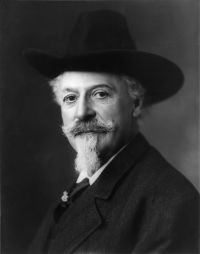
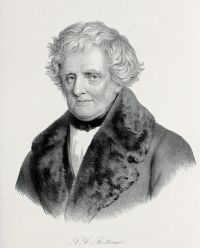
Portrait of Johann Jakob Hottinger Johann Jakob Hottinger,  The Life and Times of Ulric Zwingli

“ Ah, dear Confederates! Neither our Lords and Superiors, nor we, ever had any disposition to rule and lord it over you. We bring and compel you to receive no new faith. What is our desire and thought? Only that you and we may remain with each other, dwell peaceably together and rule as your and our forefathers did in the old, true, Christian faith. In this your ancestors and yourselves, your canton and your people have reached great honor. In this did you become Confederates. In this have your ancestors and ours, you and we gained many honorable victories. God be praised therefor! ”
Source: Gutenberg

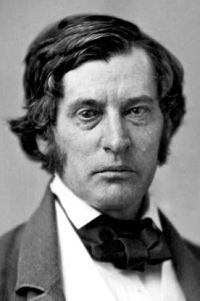
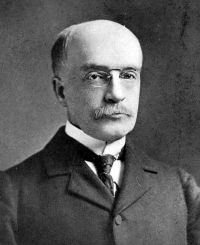
Portrait of Isaac N. Arnold Isaac N. Arnold,  The Life of Abraham Lincoln — Chapter XII (1885)

“ The United States stood before the world as a long established government, representing order, civilization, and freedom. The Confederates, as a disorganizing rebellion, with no grievance, except opposition to the extension of slavery, with no purpose, except to extend and perpetuate slavery; and yet the powers of Western Europe, and especially the aristocracy of England, made haste to hail them as belligerents, and extend to them moral aid and sympathy.
The London Times, the organ of the English aristocracy, exultingly announced: "The great republic is no more! Democracy is a rope of sand."
”
Source: Wikisource

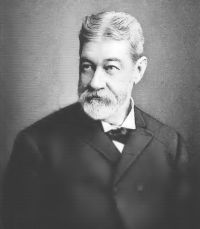
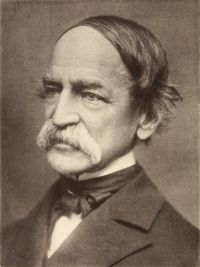
Portrait of Benedictus de Spinoza Benedictus de Spinoza,  Theologico-Political Treatise… (1862)

“ Confederates are the men composing two or more distinct states, who for mutual defence, to escape the perils of war, or for any other reason of presumed utility to themselves, enter into a compact not only not to injure one another, but to lend each other mutual aid and assistance in case of need, each all the while retaining its individual independence. ”
Source: Wikisource

Get perspective with Kwize: daily news enlightened by great literature