Summary

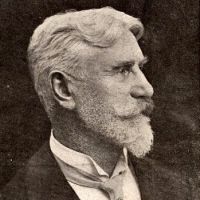
Portrait of Čeněk Dušek Čeněk Dušek Bohemian Section at the Austrian Exhibition… (1906)

The books seized upon were publicly burnt, the missionaries addressing the people on heresy and on infernal punishment and teaching them to sing satiric puns. Most of the books, that escaped the spying eyes of the missionaries, have their own story to tell. There does exist a Bible, that was baked in a loaf of bread, other books were burried in coffins, or hidden in wells, in hollow trees, in sheets of mothers lying in child’s bed. The loss of them was counted the heaviest affliction, they were the only teachers and comforters of the oppressed and groaning people.
Source: Wikisource

Portrait of Čeněk Dušek Čeněk Dušek Bohemian Section at the Austrian Exhibition… (1906)

The Bible was the dearest treasure in every family, and the most precious bequest a father could leave to his son. Interesting are the passages in the last deeds of dying parents, when referring to the Bible and to their heirs. It remains always an object of wonder, how it was possible, that the Unity of the Brethern undertook to publish an edition of the Bible in six big volumes, when there were so many excellent editions, as that of Melantrich and Severin, already in circúlation.
Source: Wikisource

Portrait of Čeněk Dušek Čeněk Dušek Bohemian Section at the Austrian Exhibition… (1906)

The present spiritual state of the nation is felt to be awkward and contradictory to the past, and the national mind is groping after the thread, that would lead it out of the dismal labyrinth of inward inconsistency.
The Postilla, sermons and expositions on the pericopes, read on Sabbaths and festivals in the churches, became very early the indispensable companion of the Bible. The best preachers condensed their ideas into them, and they were the food par excellence of the flock. There are still existing the Postilla of Jacobellus, Huss, Rokycana, Peter Chelčický.
Source: Wikisource

Get perspective with Kwize: daily news enlightened by great literature