Jan Žižka

Definition and stakes

1911 Encyclopædia Britannica, Volume 28… (1911)

At the end of 1421 Sigismund, again attempting to subdue Bohemia, obtained possession of the important town of Kutna Hora (Kuttenberg) . Žižka, who was at the head of the united armies of Tabor and Prague, at first retreated to Kolin; but after having received reinforcements he attacked and defeated Sigismund’s army at the village of Nebovid between Kolin and Kutna Hora (January 6, 1422) . Sigismund lost 12,000 men and only escaped himself by rapid flight.
Source: Wikisource

1911 Encyclopædia Britannica, Volume 28… (1911)

In 1424, civil war having again broken out in Bohemia, Žižka decisively defeated the Praguers and Utraquist nobles at Skalic on the 6th of January, and at Malesov on the 7th of June. In September he marched on Prague, but on the 14th of that month peace was concluded between the Hussite parties through the influence of John of Rokycan, afterwards Utraquist archbishop of Prague. It was agreed that the now reunited Hussites should attack Moravia, part of which country was still held by Sigismund’s partisans, and that Žižka should be the leader in this campaign.
Source: Wikisource

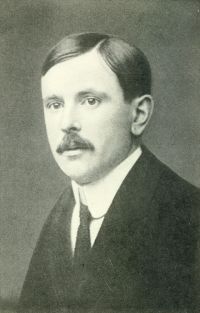
Portrait of František Lützow František Lützow The Hussite Wars (1914)

They continued, indeed, to obey his orders when engaged on a campaign against the common enemy, but the mutual distrust and dislike between the Táborites and Žižka’s more intimate friends constantly increased. Žižka at the end of his life incurred the hatred of at least some of the Táborites. [57]
Žižka immediately started on his new campaign in Moravia. He first occupied Jihlava (Iglau) in that country, and then decided to invade Hungary. King Sigismund was then residing at Buda.
Source: Wikisource

Get perspective with Kwize: daily news enlightened by great literature