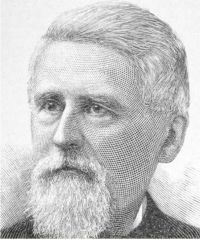
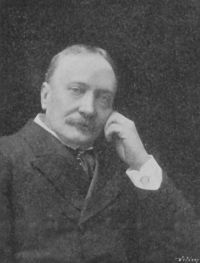
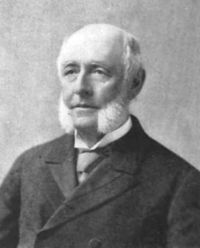
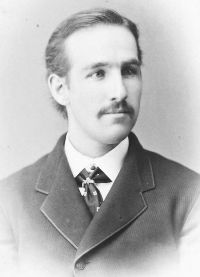
The Hussites were a proto-Protestant Christian movement in the Czech lands, influenced by Jan Hus’s reforms and John Wycliffe’s doctrines, which opposed Roman Catholic customs such as the Latin liturgy and clerical privileges. Arising from opposition to German-imposed religious authority, the movement divided into moderate Utraquists and radical Taborites, engaging in conflict during the Hussite Wars (1420–1434). Historians such as Thomas M. Lindsay point to the movement’s impact on German reformers, while František Lützow emphasizes its democratic nature and military endurance.
Henry Charles Lea, on the other hand, characterized the Hussites as heretics whose "Compactata" agreements provided temporary stability to their cause. Although the Utraquists ultimately triumphed, the legacy of the Hussites persists in modern churches such as the Moravian Church and the Czechoslovak Hussite Church, embodying a fusion of religious renewal and national identity that transformed Central Europe’s spiritual and political environment.