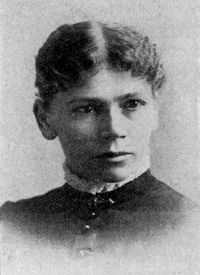
Frances Gregor

Frances Gregor

Summary

Portrait of Frances Gregor Frances Gregor The Story of Bohemia (1895)

To this Fantin replied: “It is not for you, O King, to interpret your oath, but for him who administered it.” The king then said: “I acknowledge no judge but my own conscience.” Fantin then said: “Do you dare to withstand the apostolic commands? Remember what you do; it is rebellion, not obedience, and the Pope will not leave it unpunished. His power reaches far; look to your crown. What is the source of all earthly honors? Where do kings get their crowns, prelates their authority and honors, institutions of learning their privileges? And he who can grant them, can also take them away.”
Source: Wikisource

Portrait of Frances Gregor Frances Gregor The Story of Bohemia (1895)

There is no name in the history of Bohemia that, even at the present time, rouses on the one hand so much admiration and enthusiasm, and on the other so much hatred and fanaticism, as that of John Hus, the martyr of Constance. Hus, without question, is one of the most illustrious characters in history. In his perception of religious truth, he was as far in advance of the clergy of his day as the enlightened men of the present day are ahead of those of the fifteenth century.
Source: Wikisource

Portrait of Frances Gregor Frances Gregor The Story of Bohemia (1895)

How, then, could we declare this faith heresy, and by trying to exterminate it make war upon ourselves? It is a great mistake, for which we are not responsible, that any one should think that, for the sake of the royal throne, we would do violence to our own conscience, deny our faith, and contend against God. Therefore, know ye all, that, as we ourselves, so our wife by our side, and our dear children, will remain true to the Calixtine doctrine according to the Compactata, and for this faith we are ready to lay down our crown and our very lives.
Source: Wikisource

Get perspective with Kwize: daily news enlightened by great literature