Summary

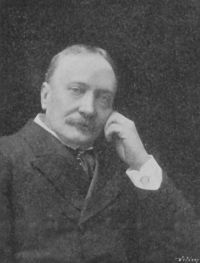
Portrait of František Lützow František Lützow 1911 Encyclopædia Britannica, Volume 4… (1911)

It is impossible to exaggerate the importance of this measure for the future of Bohemia. The rulers of the country were henceforth unable to rely on that numerous sturdy and independent peasantry of which the armies of Žižka and the Prokops had mainly consisted. Various enactments belonging to this reign also curtailed the rights of the Bohemian townsmen. A decree known as the “regulations of King Vladislav” codified these changes. It enumerated all the rights of the nobles and knights, but entirely ignored those of the towns.
Source: Wikisource

Portrait of František Lützow František Lützow 1911 Encyclopædia Britannica, Volume 4… (1911)

The inevitable and immediate result of this event was the outbreak of civil war in Bohemia, where Huss was greatly revered by the large majority of the population. The nobles of Bohemia and Moravia met at Prague on the 2nd of September 1415, and sent to the council the famed Protestatio Bohemorum, in which they strongly protested against the execution of Huss, “a good, just and catholic man who had for many years been favourably known in the Kingdom by his life, conduct and fame, and who had been convicted of no offence.”
Source: Wikisource

Portrait of František Lützow František Lützow 1911 Encyclopædia Britannica, Volume 4… (1911)

As the Bohemian Brotherhood had never recognized the consistory, that body now lost whatever influence it had still possessed. It became, indeed, subservient to the Romanist archbishopric of Prague, which had been re-established by Ferdinand I. Its members henceforth were men who on almost all points agreed with Rome, and sometimes even men who had joined the Roman church, but continued by order of their superiors to remain members of the consistory, where it was thought that their influence might be useful to their new creed.
Source: Wikisource

Get perspective with Kwize: daily news enlightened by great literature