Agrippa I

Definition and stakes

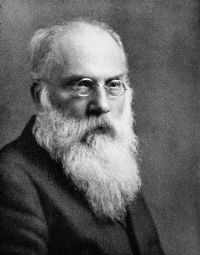
Portrait of Sabine Baring-Gould Sabine Baring-Gould In Troubadour-Land — Chapter XV: Nimes (1891)

But other remnants of Agrippa abide. The Pantheon of Rome, and the Pont du Gard near Nimes, aye—and the baths he made for the washerwomen in the water he led into this town, that they might not sully the sacred spring that welled up before the temple of the Nymphs.
Agrippa in his various offices and governorships accumulated great wealth, but he was not a grasping man, nor one who spent his wealth upon himself. Wherever he was, he expended his fortune on improving and embellishing the cities under his sway.
Source: Wikisource

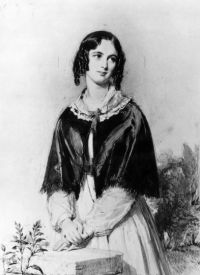
Portrait of H. Rider Haggard H. Rider Haggard Pearl-Maiden: A Tale of the Fall of Jerusalem

Then Anna limped forward to join her company, who once more were driven through the little gate in the wall of the arena.
For a second time, with an effort, Agrippa lifted himself from his throne. As he rose the first level rays of sunrise struck full upon him. He was a tall and noble-looking man, and his dress was glorious. To the thousands who gazed upon him from the shadow, set in that point of burning light he seemed to be clothed in a garment of glittering silver. Silver was his crown, silver his vest, silver the wide robe that flowed from his shoulders to the ground.
Source: Gutenberg

Livy Roman History, Books I-III

They first began to be beaten in the centre, where the furious charge of the cavalry had broken their ranks. Then the left wing began to lose ground before the consul Quinctius; the contest was most obstinate on the right. Then Agrippa, in the vigour of his youth and strength, seeing matters going more favourably in every part of the battle than in his own quarter, snatched some of the standards from the standard-bearers and carried them on himself, some even he began to throw into the thick of the enemy.
Source: Gutenberg

Get perspective with Kwize: daily news enlightened by great literature