Pont du Gard

Definition and stakes

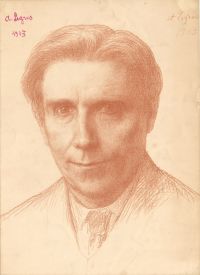
Portrait of Mona Caird Mona Caird Romantic Cities of Provence

Scrambling down by chance steep pathways among the shrubs—losing my way more than once by following tracks that led to the edge of some miniature precipice—I found myself wondering, in the foolish, insistent way that one does wonder about trivial things, whether our tourist friend had managed to feel as disappointed as he had expected he would be with the Pont du Gard.
It looked absolutely sublime as one retreated from it on the homeward way; its towering arches rearing themselves tier above tier, like some dauntless human life lived steadily for a great purpose.
Source: Gutenberg

A. S. Forrest A Tour Through Old Provence

The “Pont du Gard,” which was one of Agrippa’s greatest engineering feats, remains the most colossal Roman monument in France. Remoulins, the little village that lies nearest to the bridge, is easily reached by train either from Nîmes or Avignon, and the road along the banks of the Gard is full of rural charm, for it passes vineyards, homesteads, ploughed fields, and green pastures. Great steep hills rising up on either side of the river enclose the valley, and when one suddenly catches sight of the towering masonry of the aqueduct that spans the river the sensations aroused are bewildering.
Source: Gutenberg

With the World's Great Travellers…

Pont du Gard is the finest existing remain of a Roman aqueduct, and spans a quite deep stream, good for either fishing or bathing. Profusion of wild flowers grow about and over it, and fig-trees and brambles make a thicket together on the slope that goes down to the water.
One may walk over the top of the ruin—two yards wide, without parapet or rail—and look over into the depth three hundred feet below. The nerves must be strong to endure it, then the enjoyment is full. Less than half a [Pg 209] day’s ride will bring one from the Pont du Gard to the Hôtel du Luxembourg of Nismes.
Source: Gutenberg

Get perspective with Kwize: daily news enlightened by great literature