Agrippina the Younger

Definition and stakes

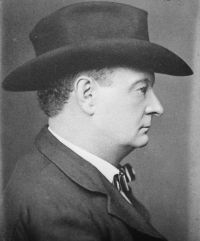
Portrait of Guglielmo Ferrero Guglielmo Ferrero,  The Women of the Caesars — Chapter 6 (1911)

“ Statue of Agrippina the Younger, in the Capitoline Museum, Rome. Agrippina, then, with the assistance of Seneca and Burrhus, had kept the highest office in the state in the family of Augustus, and she had done so by a bold move which had not been without its dangers. She was too intelligent not to foresee that a seventeen-year-old emperor could have no authority, and that his position would expose him to all sorts of envy and intrigue, and to open as well as secret opposition. ”

Source: Wikisource

1911 Encyclopædia Britannica (1911)

“ AGRIPPINA, the “younger” (A.D. 16–59) , daughter of Germanicus and Agrippina the elder, sister of Caligula and mother of Nero, was born at Oppidum Ubiorum on the Rhine, afterwards named in her honour Colonia Agrippinae (mod. Cologne) . Her life was notorious for intrigue and perfidy. By her first husband, Gnaeus Domitius Ahenobarbus, she was the mother of the emperor Nero ”
Source: Wikisource

Project Gutenberg,  The Project Gutenberg Encyclopedia…

“ Agrippina had a large family by Germanicus, several of whom died young, while only two are of importance— Agrippina the ``younger'' and Gaius Caesar, who succeeded Tiberius under the name of Caligula. It is remarkable that, although Tiberius had ordored the execution of his elder brothers, by his will he left Caligula one of the heirs of the empire. Agrippina was a woman of the highest character and exemplary morality. There is a portrait of her in the Capitoline Museum at Rome, and a bronze medal in the British Museum representing the bringing back of her ashes to Rome by order of Caligula. ”
Source: Gutenberg

Get perspective with Kwize: daily news enlightened by great literature