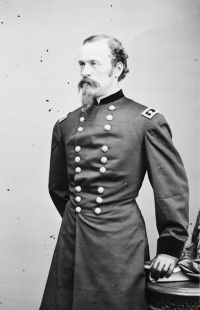
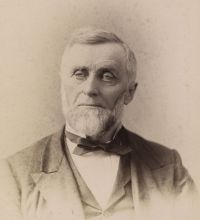
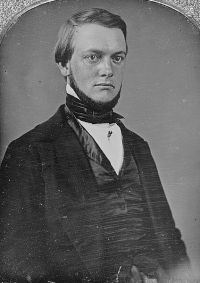
Ambrose Burnside

Definition and stakes

| override_editor,  Encyclopædia Britannica, Ninth Edition…

“ Sumner and Hooker led their men to the most dreadful slaughter of the war. On the night of the 15th of December the Union forces were withdrawn across the river, and Burnside resigned his command late in the following month, being succeeded by Hooker. Burnside served in the west during the year 1863, and commanded the ninth corps under Grant during the final Virginia campaigns. Re-entering civil life, he served as governor of Rhode Island, 1866-69, and as United States senator, from 1875 until his death in Rhode Island, September 13, 1881. ”
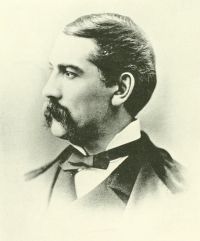
Source: Wikisource

Portrait of Selden Connor Selden Connor,  Campfire and Battlefield

“ Ambrose E. Burnside, who had about fifteen thousand men, with a battery of six guns, carried on forty transports. The naval part of the expedition, consisting of twenty-eight vessels, none of them very large, carrying half a hundred guns, was under the immediate command of Capt. Louis M. Goldsborough. Among his subordinate officers were Stephen C. Rowan and John L. Worden. Burnside's three brigade commanders—all of whom rose to eminence before the war was over—were John G. Foster, Jesse L. Reno, and John G. Parke. ”
Source: Gutenberg

George C. Sumner,  Battery D First Rhode Island Light Artillery in the Civil War

“ Many are the stories in circulation illustrative of the kindness of his heart towards his army; true or not, they found ready believers among the men. Personally, the stories were accepted as truthful by my young mind, and to-day I would not willingly listen to any argument or story which had for its object the lessening of my faith in the great humanity of my beloved general, Ambrose E. Burnside.
On Dec. 6th the battery was paid, and for the first time in our experience we took no interest in receiving money.
”
Source: Gutenberg

Get perspective with Kwize: daily news enlightened by great literature