Tragedian

Definition and stakes

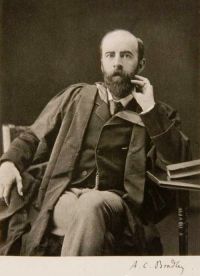
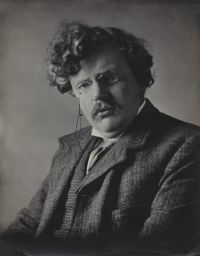
Portrait of Samuel Taylor Coleridge Samuel Taylor Coleridge,  The Literary Remains of Samuel Taylor Coleridge…

“ Tragedy, indeed, carried the thoughts into the mythologic world, in order to raise the emotions, the fears, and the hopes, which convince the inmost heart that their final cause is not to be discovered in the limits of mere mortal life, and force us into a presentiment, however dim, of a state in which those struggles of inward free will with outward necessity, which form the true subject of the tragedian, shall be reconciled and solved;—the entertainment or new comedy, on the other hand, remained within the circle of experience. ”
Source: Gutenberg

J. C. Stobart,  The Glory That Was Greece: a survey of Hellenic culture and civilisation

“ The purpose of the tragedian is to show the struggles of man against fate. According to Aristotle’s oft-quoted theory, the purpose of Tragedy is to act as a “purgative of the emotions by means of pity and terror.” As the surgeon lets blood in order to reduce fever, so the drama enables the spectator to acquire peace of soul through the vicarious sorrows of its heroes and heroines. Aristotle declares every tragedy to consist of two parts, the tying of the knot and the loosing of it. ”
Source: Gutenberg

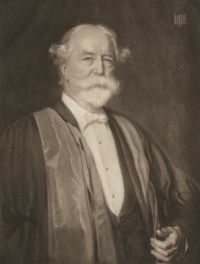
Portrait of Aristotle Aristotle,  Poetics (c. 335 BC)

“ But when Tragedy and Comedy came to light, the two classes of poets still followed their natural bent: the lampooners became writers of Comedy, and the Epic poets were succeeded by Tragedians, since the drama was a larger and higher form of art.
Whether Tragedy has as yet perfected its proper types or not; and whether it is to be judged in itself, or in relation also to the audience,—this raises another question. Be that as it may, Tragedy—as also Comedy—was at first mere improvisation.
”
Source: Gutenberg

Get perspective with Kwize: daily news enlightened by great literature