American colonial architecture

Definition and stakes

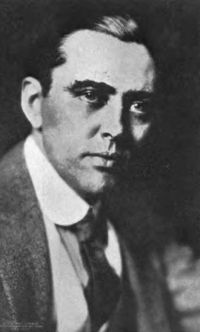
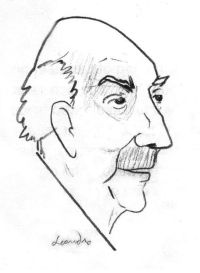
Portrait of Lewis Mumford Lewis Mumford,  Sticks and Stones: A Study of American Architecture and Civilization

“ Once we have genuinely appreciated the influence that created early colonial architecture, we see that it is irrecoverable: what we call a revival is really a second burial. All the king’s horses and all the king’s men have been hauling and tugging vigorously during the last fifty years to bring back the simple beauties and graces of the colonial dwelling, and the collectors’ hunt for the products of the Salem, Newburyport and Philadelphia cabinetmakers is a long and merry one ”
Source: Gutenberg

As A Chinaman Saw Us: Passages from His Letters to a Friend at Home

“ Americans have developed no individual architecture. You see semipagoda-like effects in the East, and old English houses in the South. They steal the latter and call them Colonial. They steal the architecture of the Moors and call it Mexican. They borrow Roman and Grecian effects for great public [Pg 234] buildings. At one time they went mad over the French roof, or mansard. Nowhere have I seen purely American architecture. The race is not possessed of sufficient unity. So all their art is from abroad, and notably is French and English. They make broad effects, and give them an American name ”
Source: Gutenberg

Portrait of Lewis Mumford Lewis Mumford,  Sticks and Stones: A Study of American Architecture and Civilization

“ Ever since colonial architecture was reappreciated after the Civil War, a large amount of material has appeared on the early architecture of the colonies. Before 1900 the greater part of this was uncritical. Isham and Brown’s work on the early architecture of Connecticut and Rhode Island made a new departure, which Messrs. Cousins and Riley’s studies of the architecture of Salem and Philadelphia have carried on. Mr. Fiske Kimball’s compendious study of the Domestic Architecture of the Colonies and the Early Republic brings together a large amount of authenticated data. ”
Source: Gutenberg

Get perspective with Kwize: daily news enlightened by great literature