American colonies

Definition and stakes

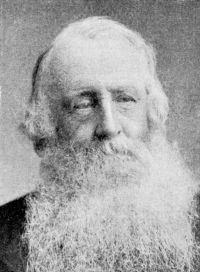
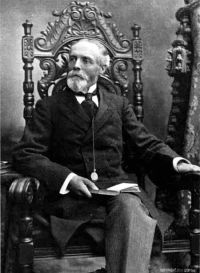
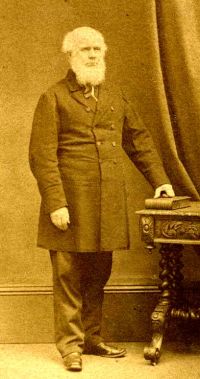
Portrait of William Howitt William Howitt,  Colonization and Christianity (1838)

“ Every reader of history is aware of the melancholy and disastrous commencement of most of our American colonies. The great cause was that they were founded in injustice. Adventurers, with charters from the English monarch in their pockets, as the Spaniards and Portuguese had the Pope's bull in theirs, landed on the coast of America and claimed it for their own, reckoning the native inhabitants of no more account than the bears and fallow-deer of the woods. ”

Source: Wikisource

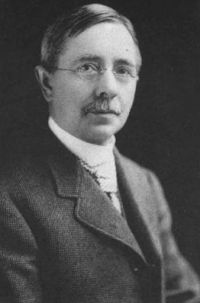
Sir Charles Prestwood Lucas,  A history of Canada, 1763-1812 (1909)

“ The North American colonies were a group of young communities, whose citizens were, at any rate in New England and Pennsylvania, of a strong, sober, and very tenacious type: the late war had taught them to fight: its issue had given them a feeling of strength and security: there had been no extraordinary strain upon their resources: they had reached a stage in their history when they were most dangerous to offend and not unlikely to take offence unless very carefully handled, and careful handling on the part of the mother country, as all the world knows, was conspicuous by its absence. ”
Source: Gutenberg

James Truslow Adams,  The Founding of New England (1921)

“ The beginnings of the continental American colonies, indeed, are too apt to be considered as isolated events. Their unique importance from the standpoint of American history has tended to obscure their real nature. From that standpoint, they are naturally viewed as the founding of a great nation; but if they are considered solely in that relation, not only the planting of the colonies themselves, but the subsequent history of their relations with the mother-country, and the whole course of England’s old colonial policy, are bound to be misunderstood. ”
Source: Wikisource

Get perspective with Kwize: daily news enlightened by great literature