Amintor

Definition and stakes

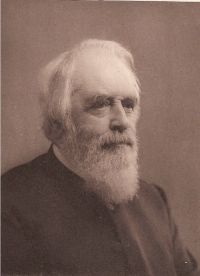
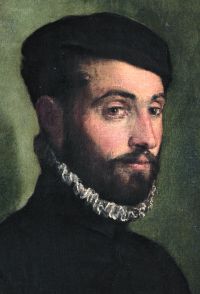
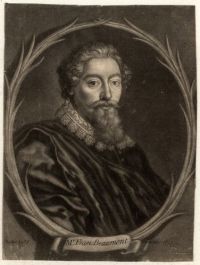
Portrait of Francis Beaumont Francis Beaumont,  The Maids Tragedy

“ Looks not Evadne beauteous with these rites now?
Were those hours half so lovely in thine eyes,
When our hands met before the holy man?
I was too foul within to look fair then;
Since I knew ill, I was not free till now.
Amint. There is presage of some important thing
About thee, which it seems thy tongue hath lost:
Thy hands are bloody, and thou hast a knife.
Evad. In this consists thy happiness and mine;
Joy to Amintor, for the King is dead.
Amint. Those have most power to hurt us that we love,
We lay our sleeping lives within their arms.
”
Source: Gutenberg

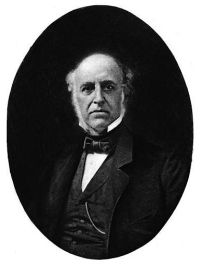
Portrait of Andrew Lang Andrew Lang,  History of English Literature from "Beowulf" to Swinburne

“ The bride receives him coldly. A man has wronged her, will he slay that man? She names the king: "To cover shame I took thee" she says. The situation,—with the horror-stricken loyalty of Amintor; his heart already a chaos of remorse, regret, and desire; the implacable resolution of Evadne; "the murderess-Magdalen, whose penitence is of one crimson colour with her sin—" is undeniably tragically great. Ribaldries as of Pandarus in "Troilus and Cressida" greet the happy pair in the morning. ”
Source: Gutenberg

Ioläus: An Anthology of Friendship (1906)

“ The world will see thy picture there.” —though it is perhaps more probable that it was addressed to Beaumont by Fletcher, and has accidentally found place among the former’s writings.
In the Maids Tragedy by B. and F., (Act I. Scene i.) we have Melantius speaking about his companion Amintor, a young nobleman:—
“All joys upon him!
”
Source: Gutenberg

Get perspective with Kwize: daily news enlightened by great literature