An Essay on the Principle of Population

Definition and stakes

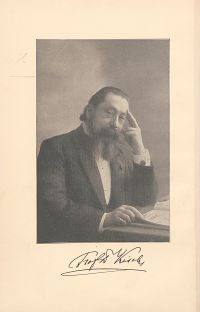
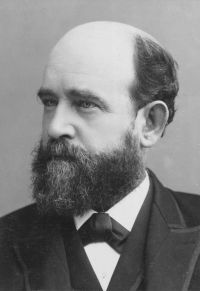
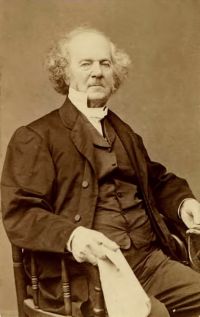
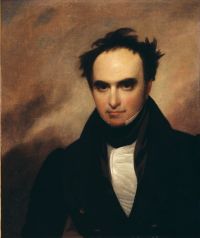
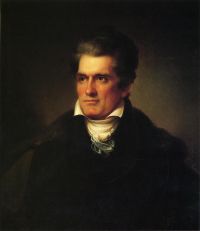
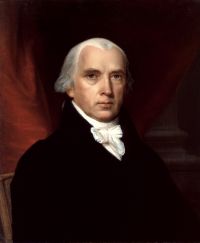
Portrait of Thomas Malthus Thomas Malthus An Essay on the Principle of Population (1798)

In a state therefore of great equality and virtue, where pure and simple manners prevailed, and where the means of subsistence were so abundant, that no part of the society could have any fears about providing amply for a family, the power of population being left to exert itself unchecked, the increase of the human species would evidently be much greater than any increase that has been hitherto known.
Source: Wikisource

T. R. Malthus An Essay on the Principle of Population

Unless the principle of population were to be altered according to the circumstances of each separate country (which would not only be contrary to our universal experience, with regard to the laws of nature, but would contradict even our own reason, which sees the absolute necessity of general laws for the formation of intellect) , it is evident that the same principle which, seconded by industry, will people a fertile region in a few years must produce distress in countries that have been long inhabited.
Source: Gutenberg

Portrait of Thomas Malthus Thomas Malthus An Essay on the Principle of Population (1798)

I think we may fairly say, from all the accounts that we have of nations of shepherds, that population invariably increased among them, whenever, by emigration, or any other cause, the means of subsistence were increased; and, that a further population was checked, and the actual population kept equal to the means of subsistence, by misery and vice.
Source: Wikisource

Get perspective with Kwize: daily news enlightened by great literature