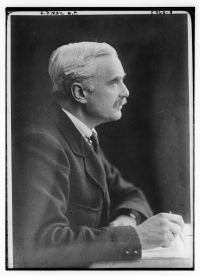
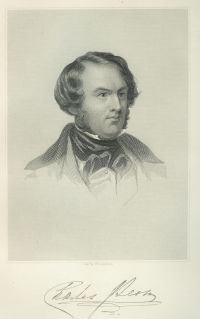
The concept of a helot originates in ancient Sparta, referring to a class of subjugated laborers whose lives were characterized by rigorous control and an ongoing risk of uprising. Authors such as Baron Edward Bulwer Lytton portrayed helots as individuals trapped in patterns of oppression, their defiance framed as a battle against "Persecution and Despair.
" Edmund Dene Morel broadened this theme to colonial settings, asserting that such subjugation can give rise to forces capable of dismantling the system through growing resistance. Meanwhile, historical records and literary passages emphasize the helots' dual role as emblems of institutionalized injustice and agents of societal change, illustrating how their suffering has been employed to challenge power structures throughout history.