Anabaptists

Definition and stakes

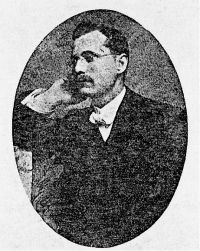
Portrait of John Nevins Andrews John Nevins Andrews,  History of the Sabbath and first day of the week (1873)

“ This matter is placed in the true light by Stebbing:—
“The overthrow of civil society, and fatal injuries to religion were threatened by those who called themselves Anabaptists. But large numbers appear to have disputed the validity of infant baptism who had nothing else in common with them, yet who for that one circumstance were overwhelmed with the obloquy, and the punishment richly due to a fanaticism equally fraudulent and licentious.” [925]
The ancient Sabbath was retained and observed by a portion of the Anabaptists, or, to use a more proper term, Baptists.
”

Source: Gutenberg

Henry Clay Vedder,  Balthasar Hübmaier (1905)

“ THE ANABAPTISTS AND THE REFORMATION
FEW people have fared so hard at the hands of historians as the Anabaptists. Until a generation ago, writers of every school did little more than repeat the rash and unjust and often slanderous statements of the contemporaries of this sect. For these sixteenth-century denunciations there are some obvious excuses to be made. The Anabaptists were the most universally troublesome of all the anti-Catholic parties.
”
Source: Wikisource

Leopold Wagner,  Names: and Their Meaning; A Book for the Curious

“ The Unitarians are the modern Socinians already alluded to. They are opposed to the doctrine of the Trinity; and, consequently, to the Trinitarians. The Baptists not only reject infant baptism, but hold that the adult subject should be baptized after the manner in which Christ was baptized by St. John. On this account the original Baptists, who arose about 1521, received the name of Anabaptists, because, having been already baptized during infancy, they of necessity went through the ceremony a second time on arriving at full age. The prefix ana is Greek, signifying twice. ”
Source: Gutenberg

Get perspective with Kwize: daily news enlightened by great literature