Summary

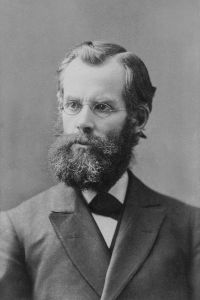
Portrait of John Nevins Andrews John Nevins Andrews History of the Sabbath and first day of the week (1873)

Such is the estimate which the Scriptures place upon the work of creation as evincing the eternal power and Godhead of the Creator. The Sabbath stands as the memorial of this great work. Its observance is an act of grateful acknowledgment on the part of his intelligent creatures that he is their Creator, and that they owe all to him; and that for his pleasure they are and were created. How appropriate this observance for Adam! And when man had fallen, how important for his well-being that he should “remember the Sabbath day, to keep it holy.”
Source: Gutenberg

Portrait of John Nevins Andrews John Nevins Andrews History of the Sabbath and first day of the week (1873)

What a history, therefore, has the Sabbath of the Lord! It was instituted in Paradise, honored by several miracles each week for the space of forty years, proclaimed by the great Law-giver from Sinai, observed by the Creator, the patriarchs, the prophets, the apostles, and the Son of God! It constitutes the very heart of the law of God, and so long as that law endures, so long shall the authority of this sacred institution stand fast.
Source: Gutenberg

Portrait of John Nevins Andrews John Nevins Andrews History of the Sabbath and first day of the week (1873)

Does the silence of one book, which nevertheless does give the institution of the Sabbath at its very commencement, and which brings into its record almost twenty-four hundred years, prove that there were no Sabbath-keepers prior to Moses? What then is proved by the fact that six successive books of the Bible, confining themselves to the events of five hundred years, an average of less than one hundred years apiece, the whole period covered by them being about one-fifth that embraced in the book of Genesis, do nevertheless preserve total silence respecting the Sabbath?
Source: Gutenberg

Get perspective with Kwize: daily news enlightened by great literature