Appian of Alexandria

Definition and stakes

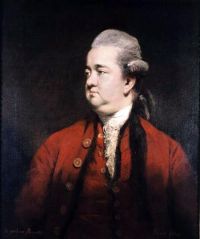
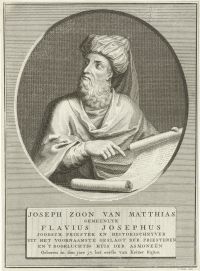
Portrait of Flavius Josephus Flavius Josephus Against Apion

However, Apion deserves to be admired for his great prudence, as to what I am going to say, which is this, "That there is a plain mark among us, that we neither have just laws, nor worship God as we ought to do, because we are not governors, but are rather in subjection to Gentiles, sometimes to one nation, and sometimes to another; and that our city hath been liable to several calamities, while their city [Alexandria] hath been of old time an imperial city, and not used to be in subjection to the Romans."
Source: Gutenberg

Portrait of Flavius Josephus Flavius Josephus Against Apion

But besides this, Apion objects to us thus: "If the Jews [says he] be citizens of Alexandria, why do they not worship the same gods with the Alexandrians?" To which I give this answer: Since you are yourselves Egyptians, why do you fight it out one against another, and have implacable wars about your religion? At this rate we must not call you all Egyptians, nor indeed in general men, because you breed up with great care beasts of a nature quite contrary to that of men, although the nature of all men seems to be one and the same.
Source: Gutenberg

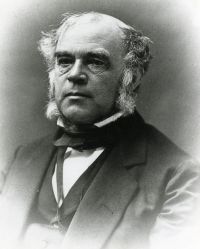
Portrait of E. M. Forster E. M. Forster Alexandria: A History and a Guide

It took place during the reign of the Emperor Heraclius, and we must begin by glancing at his curious career.
53Heraclius was an able and sensitive man—very sensitive, very much in the grip of his own moods. Sometimes he appears as a hero, a great administrator; sometimes as an apathetic recluse. He won his empire (610) by the sword; then the reaction came and he allowed the Persians to occupy Syria and Egypt almost without striking a blow. Alexandria fell by treachery. She was safe on the seaward side, for the Persians had no fleet, and her immense walls made her impregnable by land
Source: Gutenberg

Get perspective with Kwize: daily news enlightened by great literature